Commercial Removals in Edgware: Rates for Small Shops
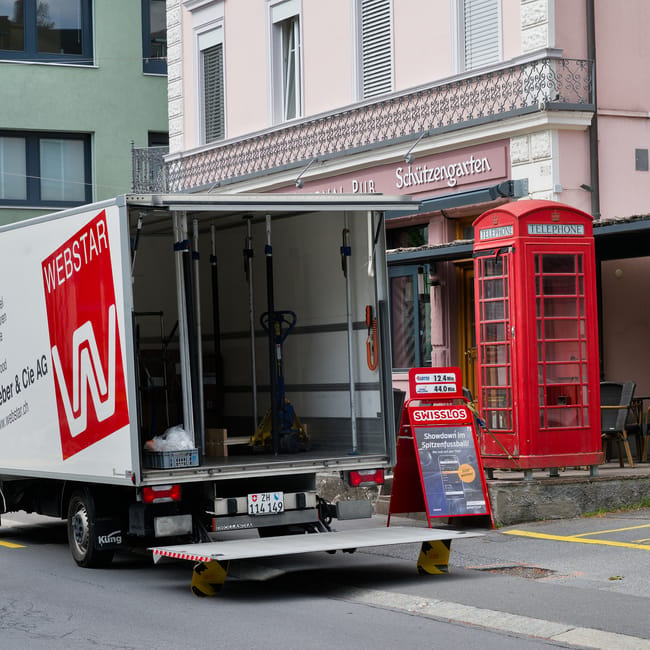
If you run a small shop, the words "moving day" can send a little jolt through your stomach. Stock has to stay safe, the till needs to be back online fast, and customers do not really care that you are halfway through a relocation. That is exactly why understanding Commercial Removals in Edgware: Rates for Small Shops matters before you book anything. The right move is not just about shifting boxes; it is about keeping disruption low, protecting fragile stock, and knowing what you are actually paying for.
In this guide, we will break down how small-shop removal pricing usually works, what affects the cost, where people often overspend, and how to plan a smoother move in Edgware without unnecessary stress. We will also cover practical steps, a comparison table, a real-world example, and a checklist you can use straight away. No fluff. Just the kind of detail that helps you make a sensible decision.
Why Commercial Removals in Edgware: Rates for Small Shops Matters
Small retail moves are deceptively complex. A compact shop may only have a few shelving bays and a modest stockroom, yet the move can still involve glass, electronics, point-of-sale equipment, garment rails, stock cages, seasonal displays, and awkward items that never seem to fit neatly into a van. Rates matter because the price is often shaped less by square footage and more by the type of work involved.
In Edgware, this becomes especially relevant if your shop sits on a busy high street, in a parade with limited stopping space, or near roads where loading windows are tight. Even a short move can take longer than expected if the crew has to work around traffic, pedestrians, upper-floor storage, or access restrictions. You might think, "It's only a small shop, how hard can it be?" Fair question. But in removals, small sometimes means fiddly, and fiddly takes time.
Knowing the likely rate structure helps you compare quotes more intelligently. More importantly, it helps you avoid underquoting the job yourself. If you leave out packing, dismantling, parking challenges, or after-hours access, the final invoice can jump. That is where a clear understanding of commercial moving rates really saves the day.
For businesses that want a broader service alongside shop moves, it can help to look at commercial move support as part of the planning process, especially if your relocation includes stock, fixtures, or storage handover.
How Commercial Removals in Edgware: Rates for Small Shops Works
Most small-shop quotes are built from a handful of practical variables. Removal firms usually look at the volume of items, access at both ends, how much handling is needed, and whether the move can be completed in a single run or needs several trips. The more precise your information, the more accurate the price is likely to be.
Here is the usual shape of the process:
- Initial enquiry: You explain what the shop contains, where it is moving from, and where it is going.
- Job assessment: The mover estimates labour time, vehicle size, packing needs, and any access issues.
- Quote preparation: The price may be based on hourly labour, a fixed move fee, or a mixed model.
- Move day planning: The crew confirms timings, parking arrangements, and any items that need special handling.
- Execution and unloading: Goods are loaded, transported, and placed where needed at the new premises.
Some small shops do best with a simple man-and-van style arrangement, while others need a larger vehicle or extra hands. If your stock is light but you have many boxes and a few bulky fixtures, a man and van setup may be sufficient. If you are shifting shop fittings, heavy display units, or a larger volume of inventory, a bigger vehicle may make more sense. You can also review removal truck hire if you need more capacity and prefer to manage part of the process in-house.
Rates often rise when the move involves:
- stairs or no lift access
- parking delays or loading bay restrictions
- fragile stock or specialist equipment
- evening or weekend work
- disassembly and reassembly of shelving or counters
- waiting time between collection and delivery
And yes, waiting time matters. A lot. A van sitting outside while someone looks for keys, prints a sign-off sheet, or clears the new premises can quietly add to the bill.
Key Benefits and Practical Advantages
A good commercial removal service does more than transport goods. It protects your trading continuity. For small shops, that can be the difference between reopening smoothly and spending half a day hunting for tape, boxes, and missing screws. The biggest advantage is simple: less chaos.
Here are the practical benefits worth paying attention to:
- Less downtime: a well-planned move lets you reopen sooner and keep lost trading hours to a minimum.
- Lower damage risk: trained handling reduces the chance of scratched counters, broken glass, or bent fittings.
- Better stock control: clear labelling means you can find the right items quickly after the move.
- Cleaner budgeting: with a sensible quote, you know what the move should cost before the chaos starts.
- Less staff stress: your team can focus on customers instead of lugging boxes through a narrow doorway.
There is also a quieter benefit that owners often mention after the fact: peace of mind. You sleep better when the move is in the hands of people who know how to handle commercial premises, rather than trying to bodge it together with borrowed cars and a lot of optimism.
For shops relocating alongside office functions, it may be useful to compare the process with office relocation services, because the same principles of minimising disruption and protecting equipment tend to apply.
Expert summary: For small retail moves, the cheapest quote is not always the best value. The best rate is the one that matches the real workload, keeps damage low, and gets your shop back open with the least disruption.
Who This Is For and When It Makes Sense
This topic is relevant if you run a shop in Edgware and are planning to relocate, refresh a unit, move to a nearby parade, or close one branch while opening another. It also applies if you are handing over a premises and need everything removed cleanly by a fixed date.
Typical examples include:
- independent convenience stores
- boutiques and clothing shops
- gift shops and small lifestyle retailers
- phone repair or accessory outlets
- salons with retail stock and equipment
- specialist food shops with shelving and display units
It makes sense to plan a commercial removal when you need to move:
- shop fittings or display furniture
- boxed stock or fragile merchandise
- tills, terminals, and computer equipment
- storage from back rooms or stockrooms
- temporary fixtures before a refit
If the job is small enough, a simple same-day move may work well. If it is more involved, you might combine the move with packing support so the team can handle boxing and wrapping rather than leaving it to your staff at closing time. That can be a lifesaver at the end of a long trading week, honestly.
Some owners also use a move as a chance to clear out old stock or dispose of unwanted furniture. In those cases, furniture pick-up can be a practical add-on, especially if you have tired shelving, chairs, or display pieces that no longer fit the new layout.
Step-by-Step Guidance
If you want a smoother move and a more defensible quote, the following approach works well in real life. It is not glamorous, but it keeps surprises to a minimum.
1. Make a full item list
Start with a proper inventory. Include shop counters, shelves, mannequins, mirrors, screens, stock boxes, and anything stored in the back room. Small shops often forget the "little stuff" and then wonder why the van is full by lunchtime. Little things add up quickly.
2. Measure access at both locations
Check door widths, stair turns, lift availability, loading space, and whether a larger vehicle can stop nearby. In Edgware, road position can affect the whole day. If loading is awkward, tell the mover early. This is not the moment for guesswork.
3. Decide what the movers handle
Do you need basic transport only, or do you also need packing, dismantling, and reassembly? If your team is busy serving customers until close, a full-service option may be more efficient than asking staff to do it all after hours.
4. Choose the right vehicle and crew size
A small van may be enough for some shops. Others need a medium vehicle, a larger removal truck, or a two-person team to move bulky fixtures safely. You can compare vehicle options through moving truck and decide what fits the job without overpaying for capacity you do not need.
5. Separate essentials from non-essentials
Keep one box for daily must-haves: keys, chargers, card machine cables, paperwork, and a few tools. Label it clearly. It sounds basic because it is basic. And basic is good when you are standing in an empty shop at 8:15 a.m. looking for the till adaptor.
6. Build in a small time buffer
Even tidy removals benefit from a bit of slack. Traffic, access delays, and last-minute packing always seem to appear at the worst moment. Build buffer time into your trading and handover plan so you are not rushing the final hour.
7. Confirm the move plan in writing
Before the day arrives, make sure you understand what is included, the arrival window, and any extras that may apply. Ask about stairs, waiting time, parking, and fragile items. A clear plan saves awkward conversations later.
Expert Tips for Better Results
Experience shows that small-shop removals go more smoothly when the owner treats the move like a mini project, not a casual van hire. That sounds obvious, but you would be surprised how often the "we'll sort it on the day" approach turns into a slow, expensive scramble.
- Photograph your setup before dismantling. Counter layouts, cable routes, and shelf spacing are easy to forget once everything is boxed.
- Use consistent labels. Put the destination room or zone on every box, even if it seems repetitive.
- Pack fragile retail items separately. Glassware, cosmetics, electronics, and framed products need extra care.
- Tell the mover about awkward items. Large mirrors, fixed signage, or bulky storage units may need special handling.
- Keep customer-facing essentials accessible. If you can reopen fast, you reduce the pressure on your first trading day.
A small but useful trick: set aside a "first hour" kit. Include scissors, cleaning wipes, a marker pen, a basic toolkit, batteries, tape, and a kettle if the new place has water but no one has thought about tea yet. Let's face it, in Britain that matters.
If your relocation is tied to a wider home-and-work transition, it can help to review packing and unpacking services so that the most time-consuming parts of the move do not fall on your staff at the worst possible moment.
Common Mistakes to Avoid
Most expensive removal problems are preventable. They usually come from vague planning rather than one huge failure. The biggest trap? Assuming a small shop means a small job.
- Underestimating volume: stockroom contents often double the visible floor items.
- Ignoring access problems: a short route on paper can become a long, slow haul in real life.
- Forgetting insurance questions: never assume cover without checking what is included.
- Leaving packing too late: last-minute boxing is where breakages and stress creep in.
- Not confirming exclusions: some quotes do not include dismantling, parking charges, or waiting time.
- Choosing only on headline price: a cheap quote can become costly once extras are added.
There is also the classic issue of "we only have a few items." Then the movers arrive and discover stock, fixtures, cables, storage tubs, promotional stands, and a surprising number of loose bits that somehow do not count as loose until they have to be loaded. It happens all the time.
Avoiding these mistakes is less about being perfect and more about being specific. Precise information usually leads to a more realistic rate, and a more realistic rate is much easier to manage.
Tools, Resources and Recommendations
You do not need fancy equipment to manage a small commercial move well. What you do need is a short list of practical tools and a decent plan.
- Strong boxes and padded wraps: for stock, small fittings, and delicate products.
- Marker pens and labels: for room-by-room or category-by-category sorting.
- Furniture blankets or protective covers: useful for counters, display units, and mirrors.
- Basic hand tools: screwdrivers, Allen keys, tape, and spare screws in a sealed bag.
- Inventory sheet: even a simple spreadsheet or printed list helps track what has moved.
- Floor plan for the new shop: handy when deciding where fixtures should go on arrival.
When a move includes mixed business and residential logistics, some owners look at home moves or house removalists pages to understand how a team handles different types of moving work. That can be useful if you are balancing shop relocation with personal moving plans at the same time.
For smaller, flexible jobs, man with van arrangements can be convenient, especially where access is straightforward and the inventory is light. If you need a broader overview of the business and its approach, about us can help you understand the company background before you decide.
Law, Compliance, Standards, or Best Practice
Commercial removals touch practical safety, property care, and business continuity. While this article is not legal advice, there are a few UK best-practice considerations worth keeping in mind.
First, both the shop owner and the removal provider should think about safe lifting, clear walkways, and sensible loading practices. Boxes should not block exits, and heavy items should be handled in a way that avoids unnecessary strain. That sounds obvious until you are half an hour from closing with a shelf unit still attached to the wall.
Second, if the move involves customer data, payment equipment, or devices that store sensitive information, make sure those items are packed and transported carefully. The safe handover of devices matters just as much as the physical move. Keep chargers, cables, and passwords organised so you are not scrambling at the new premises.
Third, if your shop is in a managed parade, shopping area, or leased unit, check building or landlord requirements before moving day. You may need to respect specific access windows, waste disposal rules, or handback conditions. Better to ask than assume.
Good practice also includes:
- clear written confirmation of what the removal quote includes
- protection for floors and vulnerable surfaces where needed
- respecting building access arrangements and parking rules
- keeping high-value items separately identified
- maintaining an accurate handover record
And if a removal company gives you a neat, fixed price without asking any meaningful questions, be cautious. A proper quote usually reflects the real job, not just a quick guess from the back of a van. No offence to vans. They are useful. Just not psychic.
Options, Methods, or Comparison Table
There is no single best removal method for every small shop. The right choice depends on volume, access, timing, and how much help you want from the crew. Here is a straightforward comparison.
| Method | Best for | Pros | Trade-offs |
|---|---|---|---|
| Man and van | Light shop contents, short distance moves, simple access | Flexible, often cost-effective, quick to arrange | Limited capacity, less suited to bulky fixtures |
| Small commercial removal team | Retail units with stock, shelving, and mixed items | Better handling, more efficient loading, suited to business moves | May cost more than a basic van-only option |
| Removal truck hire | Jobs with substantial stock or larger fittings | Greater capacity, fewer trips, useful for one-day moves | Can be more than you need if the shop is very small |
| Pack-and-move service | Owners short on time or staff resource | Reduces pressure, improves organisation, helpful for fragile items | Higher overall cost, but often easier on the day |
For shop owners who want a narrow, efficient move with minimal fuss, the decision often comes down to whether the savings of a simpler method are worth the risk of extra time and disruption. In some cases they are. In others, not really.
If your move also involves leftover stock or old display furniture, you may be able to combine services. That sort of practical bundling can reduce coordination headaches and make the whole day feel less fragmented.
Case Study or Real-World Example
Imagine a small gift shop in Edgware moving from one high street unit to another only a few minutes away. On paper, the move looks easy: a few shelves, some boxed stock, a till, a card machine, and a display cabinet. In practice, there are also wrapping materials, hanging displays, a back-room storage rack, and a fragile mirror that needs two people to carry properly.
The owner gets three quotes. One is cheap, but it excludes dismantling and waiting time. Another is more expensive, but it includes packing help, careful handling of the cabinet, and a realistic time window. The third sounds vague, which is usually not a great sign. After checking access at both sites, the owner chooses the middle quote because it reflects the actual workload and reduces the chance of delays.
On move day, the crew arrives early, protects the cabinet, labels each box by zone, and gets the stock into the new shop before lunch. The owner spends the afternoon arranging products and checking that the payment terminal works rather than chasing missing screws. That is the ideal, really: not a dramatic story, just a calm one.
Later, they realise the move was not expensive because it was a retail move. It was expensive only where the job had complications: access, fragile items, and the need to be open again quickly. Once those factors were properly understood, the rate made sense.
Practical Checklist
Use this checklist before you confirm your booking. It will save you at least one headache, maybe more.
- List every item to be moved, including stockroom contents.
- Measure access points, stairs, and door widths at both premises.
- Confirm whether packing, dismantling, and reassembly are included.
- Ask about parking, loading time, and any waiting charges.
- Identify fragile, high-value, or awkward items early.
- Prepare a labelled essentials box for opening day.
- Check whether you need a small van, larger vehicle, or full removal truck.
- Confirm any landlord, lease, or building access rules.
- Set a realistic move date with a buffer for delays.
- Keep copies of the final inventory and quote details.
Quick takeaway: the best commercial removal rate is not the lowest number on paper. It is the price that matches your actual job, protects your stock, and gets you trading again without needless drama.
Conclusion
Commercial removals for small shops in Edgware are all about balance: cost, speed, protection, and practicality. The right rate depends on the amount of stock, the type of fixtures, access at each end, and how much support you need on the day. Once you understand those moving parts, pricing becomes much easier to judge.
Take the time to plan properly, ask the right questions, and compare quotes on the same basis. That alone will help you avoid the most common surprises. And if the move is more complicated than it first appears, that is perfectly normal. Small shops often carry more hidden logistics than anyone expects.
Get a free quote today and see how much you can save.
When the boxes are stacked neatly, the shutters are open, and the first customer walks in without knowing what you went through to get there, that is a good day. A very good day.
Frequently Asked Questions
How much do commercial removals for a small shop in Edgware usually cost?
Prices vary because small-shop moves are shaped by labour time, access, stock volume, and the amount of packing or dismantling required. A short local move with simple access is usually more affordable than one involving stairs, heavy fittings, or waiting time. The most accurate way to judge cost is to compare quotes using the same inventory and same service level.
What affects the rate the most?
The biggest cost drivers are the amount of handling needed, how easy it is to load and unload, whether the move can be done in one trip, and whether fragile or bulky items need extra care. Parking and timing can also have a noticeable effect, especially in busier parts of Edgware.
Is a man and van service enough for a small shop move?
Sometimes, yes. If your shop contents are light, boxed neatly, and easy to access, a smaller vehicle can work well. If you have shelving, counters, large displays, or a bigger stock volume, you may need a more commercial setup. It depends on the job, not just the shop size.
Should I pack stock myself or use packing support?
If you have the time and a well-organised team, self-packing can save money. But if you are still serving customers right up to moving day, packing support is often worth it. It reduces stress, speeds things up, and can lower the risk of breakages. Truth be told, it often pays for itself in calm.
Do removal companies handle dismantling and reassembly of shop fittings?
Some do, and some do not, so you should confirm this before booking. Shelves, counters, rails, and display units may need to be taken apart for safe transport. If that is part of the job, make sure the quote includes it clearly.
How far in advance should I book a commercial removal?
As early as you reasonably can. That gives you more choice of dates and more time to prepare a proper inventory. If your move must happen on a weekend or outside normal hours, earlier booking is even more sensible.
Can I reduce the cost by moving stock myself?
Yes, if you can do it safely and without causing delays. Some owners move lighter items or documents themselves and leave larger or more awkward pieces to the removal team. Just be realistic. Splitting the job can save money, but only if it does not create confusion on the day.
What should I ask when comparing quotes?
Ask what is included, whether there are extra charges for stairs or waiting time, what vehicle size will be used, and whether packing or dismantling is covered. Also ask about insurance and how fragile items are handled. A good quote should be specific, not hand-wavy.
Are weekend or evening removals more expensive?
They can be, because they often require special scheduling and may fall outside standard operating hours. That said, the extra cost may be worth it if you want to avoid interrupting trade. For many small shops, moving after hours is simply the least painful option.
What if my new premises are not ready on time?
That is a common risk, which is why a small buffer in your schedule matters. If timing is tight, tell the removal company early and discuss contingency options. A little flexibility can stop a small delay from becoming a full-blown headache.
Can commercial removals include clearing out old furniture or unwanted items?
Often, yes, depending on the provider and the items involved. If you have old chairs, shelving, or display furniture to remove, it can be helpful to combine that with the move. That keeps the old site tidy and saves you organising a second job later.
What is the best way to make reopening faster after the move?
Label everything clearly, keep your essentials box separate, and make sure the first items off the van are the ones you need to trade again. A simple floor plan for the new shop also helps. The faster the first hour is organised, the smoother the rest of the day usually goes.