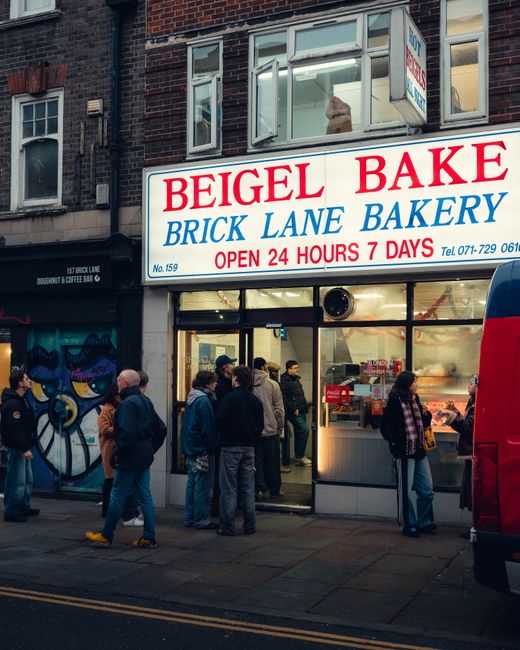
Edgware Bakery Move: Tight Timeline Success Story

Moving a bakery is never just about boxes and vans. There are ovens to protect, chilled items to manage, early-morning production to preserve, and a business day that cannot simply pause because the keys are changing hands. That is why the Edgware Bakery Move: Tight Timeline Success Story matters. It shows what can happen when planning, timing, and day-to-day coordination all click into place, even under pressure.
If you are staring at a relocation date and thinking, How on earth are we going to do this without losing trade? you are not alone. Bakery moves are a bit of a beast. They need more care than a standard office move, and they usually come with far less room for error. The good news is that with the right sequence, clear responsibilities, and a realistic plan, a tight timeline does not have to mean chaos. In fact, it can become a well-run handover that keeps your team calm and your customers barely noticing the disruption.
In this guide, we'll unpack what makes a bakery move work, what to watch out for, how to plan the critical stages, and how to avoid the mistakes that turn a neat relocation into a very long week. There's a practical checklist near the end as well, because let's face it, at some point you want the list rather than the theory.
Why Edgware Bakery Move: Tight Timeline Success Story Matters
Bakery relocations are rarely simple because the business model depends on continuity. Fresh stock has a shelf life measured in hours, not weeks. Customer habits are built around reliable opening times. Staff often start before dawn. Equipment is heavy, delicate, and expensive. So when a move has to happen fast, the stakes rise quickly.
That is the heart of the Edgware bakery move story: it is not just about moving objects from one address to another. It is about preserving operations during a compressed window. That means reducing downtime, protecting food safety, keeping equipment safe, and avoiding the kind of disruption that can hurt trade for days after the van has left.
Why does this matter to you? Because a bakery move is a useful test of process discipline. If the schedule is tight, weak planning shows up immediately. If the plan is strong, though, you will notice the difference everywhere: fewer delays, less waste, less last-minute panic, and a much smoother return to normal service. Truth be told, that calm can feel almost suspicious on moving day. But that is exactly what good planning looks like.
There is also a customer trust angle. When a local bakery relocates cleanly and reopens on time, people tend to remember that. The move becomes part of the brand story rather than a frustrating interruption. In a busy area like Edgware, where many customers are making quick everyday choices, consistency matters more than most businesses realise.
How Edgware Bakery Move: Tight Timeline Success Story Works
A successful tight-timeline bakery move usually follows a controlled sequence rather than a frantic scramble. The process starts with a full picture of what is moving: ovens, mixers, prove cabinets, fridges, shelving, ingredients, packaging, paperwork, signage, and anything that needs specialist handling. Once that inventory exists, the move can be phased properly.
From experience, the best relocations are built around three clear layers:
- Operational planning - deciding what must stay live until the last possible moment and what can be packed early.
- Logistics planning - timing access, transport, lifting equipment, and loading order.
- Reopening planning - making sure the new site can receive equipment, be checked, and open again without a scramble for missing parts.
For a bakery, timing matters more than volume. A dozen awkwardly shaped items can be harder to move than a room full of boxes. That is why the loading sequence should be based on function, not just size. For example, daily-use essentials and hygiene items may need to be the first things unpacked at the new site, while non-urgent storage can wait a little longer.
There is also the question of people. Someone needs to own the plan. Someone needs to confirm access. Someone needs to know where each major item is going. And someone, ideally one person, needs to make the decisions when something unexpected happens. Because something unexpected usually does. A supplier turns up early. A fitting is missing. A van is held up by traffic. Small things, but they matter.
When the timeline is tight, the move works best as a sequence of short, manageable actions rather than one giant event. That mindset alone can save a lot of grief.
Key Benefits and Practical Advantages
A well-run bakery move can deliver more than a change of address. Done properly, it can improve workflow, reset a cramped layout, and create a cleaner operational start. That might sound optimistic, but it is often true.
- Reduced downtime: careful sequencing helps keep the business closed for as little time as possible.
- Less product loss: better handling of chilled or perishable stock reduces waste.
- Equipment protection: proper lifting and transport reduce the risk of damage to costly machines.
- Smoother staff handover: clear plans make it easier for teams to get back into rhythm.
- Better opening-day confidence: the new site is easier to launch when essentials have been thought through.
There is a quieter benefit too: morale. Staff can tell when a move is being managed properly. They can also tell when it is not. If the plan is clear, people tend to stay focused. If it is a mess, everyone feels it. A move under pressure is not just a logistical exercise; it is a test of leadership, patience, and basic common sense. Not glamorous, perhaps, but very real.
Another advantage is the chance to improve the layout itself. A move often exposes what was not working at the old site. Maybe the prep area was too cramped. Maybe the display flow was awkward. Maybe stock rotation was always a bit of a faff. A relocation gives you the opportunity to fix those friction points rather than carrying them into the next chapter.
Who This Is For and When It Makes Sense
This approach is most useful for bakery owners and managers who are dealing with a fixed move date and limited flexibility. That could be because of a lease ending, a new premises handover, a refurbishment schedule, or a trading opportunity that will not wait around. If that sounds familiar, you are in the right place.
It is especially relevant for:
- independent bakeries with early-morning production schedules;
- shops moving from a small high street unit to a larger production space;
- bakeries upgrading equipment at the same time as relocating;
- businesses needing to minimise closure time to protect customer footfall;
- owners who want a structured plan rather than improvising on the day.
It also makes sense for businesses that rely on specialised equipment or fixed internal layouts. A bakery is not like moving a regular retail unit. Ovens, fridges, display cabinets, and prep tables all have different requirements. Some items need decommissioning before they move. Some need reinstallation by a qualified person. Some just need careful wrapping and a bit of patience. Simple on paper, slightly less simple in the real world.
If your move is flexible and the site is small, you may not need every layer of planning described here. But if your timeline is tight and the business cannot afford mistakes, then yes, this level of structure is worth it.
Step-by-Step Guidance
The safest way to manage a bakery move is to work backwards from the reopening date. That keeps the pressure where it belongs: on the plan, not on the people carrying boxes at 6 a.m.
1. Confirm the move date and access windows
Start with the basics. Confirm the handover times at both properties, the loading access, any restrictions on parking or vehicle access, and whether there are shared entrances or stairways involved. In an urban area, these small details can make or break the schedule.
2. Create a full inventory
List every important item: ovens, mixers, trays, racks, refrigeration, small appliances, signage, paperwork, cleaning products, uniforms, and packaging. Group items by priority and by how they need to be handled. A full inventory sounds tedious. It is. But it saves time later, and time is the thing you will not have enough of.
3. Separate critical items from non-essential items
Not everything needs to move at once. Identify what must be live on day one and what can wait. For example, a display shelf or seasonal stock may be less urgent than the mixer, proofing equipment, or essential cleaning supplies. This is where a little discipline pays off.
4. Prepare the new site before moving day
Make sure utilities, cleaning, floor space, and equipment positioning are ready. If possible, mark where major items should land. A van arriving at a site with no clear placement plan tends to create a small but annoying traffic jam. Nobody wants that.
5. Protect equipment properly
Heavy or delicate items need the right protection. That can include wrapping, securing loose parts, emptying removable components, and using suitable lifting methods. If specialist disconnection or installation is needed, arrange it in advance rather than discovering the problem at the curb.
6. Pack in operating order
Pack the items you will need first in a way that makes sense at the other end. Think about sequence. The first things out of the van should support immediate setup, hygiene checks, and basic production readiness.
7. Build in a contingency buffer
A tight timeline should still have a tiny buffer. Maybe not a luxury buffer, just enough to absorb a delay or two. Even thirty minutes can matter. More than that, if you can manage it, is better.
8. Test the new workflow quickly
Once the essentials are in place, check the practical flow. Is there space to prep? Can staff move safely? Are the key tools where they should be? Small adjustments at this stage save a lot of frustration on the first trading morning.
Expert summary: The real secret of a tight-time bakery move is not speed for its own sake. It is sequence, clarity, and calm execution under pressure. If those three things are in place, the rest becomes manageable.
Expert Tips for Better Results
Here are the details that often make the difference between a difficult move and a genuinely smooth one.
- Use a room-by-room or zone-by-zone plan: it keeps everyone aligned and stops items drifting into the wrong place.
- Label more than you think you need to: the extra five minutes of labelling often saves half an hour later.
- Keep a single point of contact: too many decision-makers create confusion, especially when plans change mid-move.
- Photograph setups before dismantling: useful for equipment reassembly, cable placement, and remembering how things were arranged.
- Prioritise safety over speed: a rushed lift or careless carry is a bad bargain. No one wants an injury on move day.
- Think about the first trading hour: what do you need to serve customers, not just open the door?
One small but valuable habit is to create a "first hour" box. Put in the items you will need immediately: tape, markers, cleaning cloths, gloves, basic tools, register supplies, wipes, and anything else that keeps the opening sequence moving. It sounds basic. It is basic. And it works.
Another tip: do a short walkthrough at the new site before the main arrival. Even ten minutes can help you spot bottlenecks. A narrow doorway, an awkward turn, or a storage area that looked fine on paper can turn into a nuisance in real life. Better to see it early than discover it while a van is idling outside.
Common Mistakes to Avoid
Most bakery move problems come from predictable errors rather than dramatic disasters. The good news is that predictable errors are fixable.
- Leaving planning too late: a tight timeline is not an excuse for no timeline.
- Not assigning ownership: if everyone is responsible, no one is.
- Forgetting equipment dependencies: some machines need specialist handling or reinstallation.
- Packing in the wrong order: it creates avoidable delays at the new site.
- Underestimating cleaning needs: food-related premises often need a proper reset before production resumes.
- Ignoring staff logistics: if the team does not know the plan, the plan will wobble.
- Skipping the contingency check: one missing item can stall a whole setup.
A common one, and it happens more than people admit, is assuming that "it'll probably be fine." That phrase has launched many a stressful move. Sometimes it is fine. Often it is not. Better to ask the awkward questions now than deal with them with a half-open shutter and a kettle in a box somewhere.
Another trap is treating the move as a one-day event. It is not. It starts with preparation, continues through transit, and ends only when the new workspace is actually functioning. The earlier you accept that, the less likely you are to feel ambushed by the process.
Tools, Resources and Recommendations
You do not need a huge toolkit to handle a bakery move well, but you do need the right basics. Think practical, not fancy.
- Detailed inventory sheets: useful for tracking what is moving, what is urgent, and what needs specialist handling.
- Colour-coded labels: helpful for separating kitchen, storage, front-of-house, and admin items.
- Protective wrapping and covers: essential for surfaces, corners, and delicate equipment.
- Basic hand tools: handy for dismantling small fixtures and reassembly at the other end.
- Cleaning materials: the new site should be ready for a clean start, not just a physical one.
- Communication checklist: one place for contact names, access notes, and timing updates.
For bakeries, a paper checklist still has its place. Digital tools are useful, yes, but a laminated sheet pinned to a wall can be faster when people are moving around and hands are full. Sometimes the old-fashioned option is the sensible one. Nothing glamorous. Just useful.
It can also help to prepare a simple floorplan of the new premises. It does not need to be architect-level neat. A rough layout showing where core equipment goes can prevent confusion and reduce the number of times the same item gets shifted three feet to the left, then back again, then somewhere else. Small thing. Big time-saver.
Law, Compliance, Standards, or Best Practice
Any bakery move needs to respect the practical realities of food businesses in the UK. That means careful attention to hygiene, safe handling, equipment installation, and any local requirements that apply to the premises. If gas, electrical, refrigeration, or extraction systems are involved, competent professionals should handle relevant disconnection and recommissioning. That part is not a place for guesswork.
You should also think about workplace safety during the move itself. Heavy lifting, awkward loads, wet floors, sharp edges, and rushed movement all create risk. In plain English: do not let the pressure of the deadline override safe practice. A good relocation plan should reduce risk, not add to it.
Food storage and cleaning standards matter too. Ingredients and finished goods should be managed carefully so they stay protected during transit. If you are handling chilled or frozen stock, keep the chain of control in mind and plan accordingly. The exact detail depends on the products involved, but the principle is the same: keep things clean, safe, and traceable.
There is also a broader best-practice point. A bakery relocation should be documented enough that everyone understands what happened, what was moved, and what needs checking after arrival. That makes it easier to resolve issues quickly if something is missing, damaged, or not working as expected.
To be fair, compliance language can sound dry. But in practice it is just the guardrail that keeps a busy move from becoming an expensive mistake.
Options, Methods, or Comparison Table
There is more than one way to manage a bakery move. The right method depends on the size of the operation, the time available, and how much specialist equipment is involved. Here is a simple comparison of common approaches.
| Method | Best for | Pros | Watch-outs |
|---|---|---|---|
| Single-day move | Small bakeries with limited equipment | Fast, simple, minimal overlap | High pressure, less room for surprises |
| Phased move | Busy bakeries with more stock and equipment | More control, easier to sequence critical items | Needs strong coordination and clear labelling |
| Out-of-hours move | Businesses needing to protect trading hours | Less customer disruption, smoother access | Can be tiring and requires good preparation |
| Hybrid move | Sites with mixed urgency and specialist items | Flexible, practical, balances risk | Easy to overcomplicate without a clear plan |
In many real-world bakery relocations, a hybrid or phased method works best. It gives the team breathing space without dragging the process out unnecessarily. The point is not to find the fanciest model; it is to find the one that fits the business.
Case Study or Real-World Example
Picture a local bakery in Edgware facing a deadline that left very little wiggle room. The shop needed to move premises quickly, reopen soon after, and avoid a long gap in trade. The team could not afford to treat the move as a loose collection of tasks. They needed a sequence.
So the process began with prioritisation. Essential equipment was identified first. Less urgent stock and fixtures were grouped separately. Access at both locations was checked in advance, and the team agreed who would direct traffic, who would unpack, and who would confirm that the most important machines were in the right place.
That sounds almost too simple, but that is often the point. The move succeeded because it was broken into decisions people could actually carry out. No dramatic heroics. No messy improvisation. Just a clear plan, a realistic timetable, and enough patience to solve small problems before they grew teeth.
One practical detail stood out: the new site was prepared before the first van arrived. That meant the major equipment could be set into position quickly instead of being shifted around after unloading. It saved time and cut down on confusion. There is something deeply satisfying about that moment when everything lands where it should. Quiet, efficient, done.
The main lesson? A tight deadline is survivable when the move is run like an operation rather than a guessing game. That applies whether you are dealing with a small neighbourhood bakery or a more complex food production setup.
Practical Checklist
Use this checklist to keep the move steady and avoid the last-minute scramble.
- Confirm the move date, access, and handover windows.
- Complete a full inventory of equipment, stock, and essentials.
- Identify critical items needed for the first trading hours.
- Arrange any specialist disconnection or installation in advance.
- Label boxes, racks, and equipment by destination and priority.
- Prepare the new site layout before moving day.
- Pack in operating order, not just by what fits first.
- Keep cleaning materials and opening-day tools separate.
- Brief staff on roles, timing, and point-of-contact details.
- Build in a small contingency buffer for delays.
- Check safe handling for heavy or awkward equipment.
- Walk through the new site before reopening.
Quick practical note: if you can answer "what opens first, what gets unpacked first, and who decides if something changes?" then you are already ahead of most rushed relocations.
Conclusion
The Edgware bakery move story is a useful reminder that a tight timeline does not automatically mean a messy outcome. With the right structure, clear responsibility, and practical sequencing, a bakery can relocate quickly without turning the week upside down. That is the real value here: not speed alone, but controlled speed.
If you are planning a move yourself, focus on the essentials first. Protect the equipment. Respect the timetable. Keep the team informed. And do not underestimate the power of a properly organised checklist. It is a humble tool, but it can save a great deal of stress. Honestly, it often does.
Get a free quote today and see how much you can save.
When the boxes are stacked and the last check is done, what matters most is getting back to the rhythm of the business. That first fresh-smelling morning in the new place can feel like a proper reset, and that is a good feeling to earn.
Frequently Asked Questions
How do you move a bakery quickly without disrupting trade?
The key is to work backwards from reopening and prioritise the essentials. Separate critical equipment, prep the new site early, and keep a single person or team in charge of final decisions. A fast move is much easier when the sequence is clear.
What is the biggest risk in a tight-timeline bakery move?
The biggest risk is usually poor coordination rather than the physical move itself. Missed handover times, unclear responsibilities, and forgotten equipment dependencies can create delays that snowball very quickly.
Should bakery equipment be disconnected by specialists?
When equipment involves gas, electrical, refrigeration, or extraction systems, it is usually best to use suitably qualified professionals. That helps reduce safety risks and avoids problems when the equipment is recommissioned at the new site.
How far in advance should a bakery move be planned?
As early as possible. Even if the move date is fixed and close, you still need time to inventory equipment, arrange access, organise labels, and prepare the new premises. A short plan is better than no plan, but earlier is always better.
Can a bakery move be done in one day?
Sometimes, yes, especially for smaller premises with limited equipment. But the feasibility depends on access, the amount of stock, the complexity of the machines, and whether the new site is ready to receive everything immediately.
What should be packed first in a bakery move?
Non-essential items should be packed first, while the equipment and supplies needed to restart operations should be left until the end. The move should be organised around reopening priorities, not just around what is easy to box up.
How do you avoid losing stock during the move?
Keep stock lists, separate chilled from ambient items, and use a clear packing order. The less time sensitive the item is, the earlier it can be moved. Anything perishable needs especially careful handling and timing.
What makes a bakery move different from a normal shop move?
A bakery has food safety considerations, temperature-sensitive stock, heavy equipment, and early production schedules. That combination makes planning more complex than a standard retail relocation.
Do you need a floor plan for the new bakery site?
It is strongly recommended. A simple floor plan helps position equipment quickly and prevents repeated shifting on arrival. Even a rough drawing is better than trying to improvise layout decisions on the spot.
What mistakes cause the most delay on moving day?
Common delays come from missing labels, unclear roles, equipment not being ready to disconnect, and poor access planning. These are small issues individually, but together they can slow the entire move down.
How can staff be prepared for a bakery relocation?
Give staff clear instructions, a timeline, and a simple point of contact. Let them know what they are responsible for and what happens first at the new site. People work better when they are not guessing.
Is a tight timeline bakery move still worth doing?
Yes, if the move is planned properly. Tight timelines are challenging, but they can also create focus. With disciplined planning and a clear sequence, the business can relocate and reopen with far less disruption than many people expect.